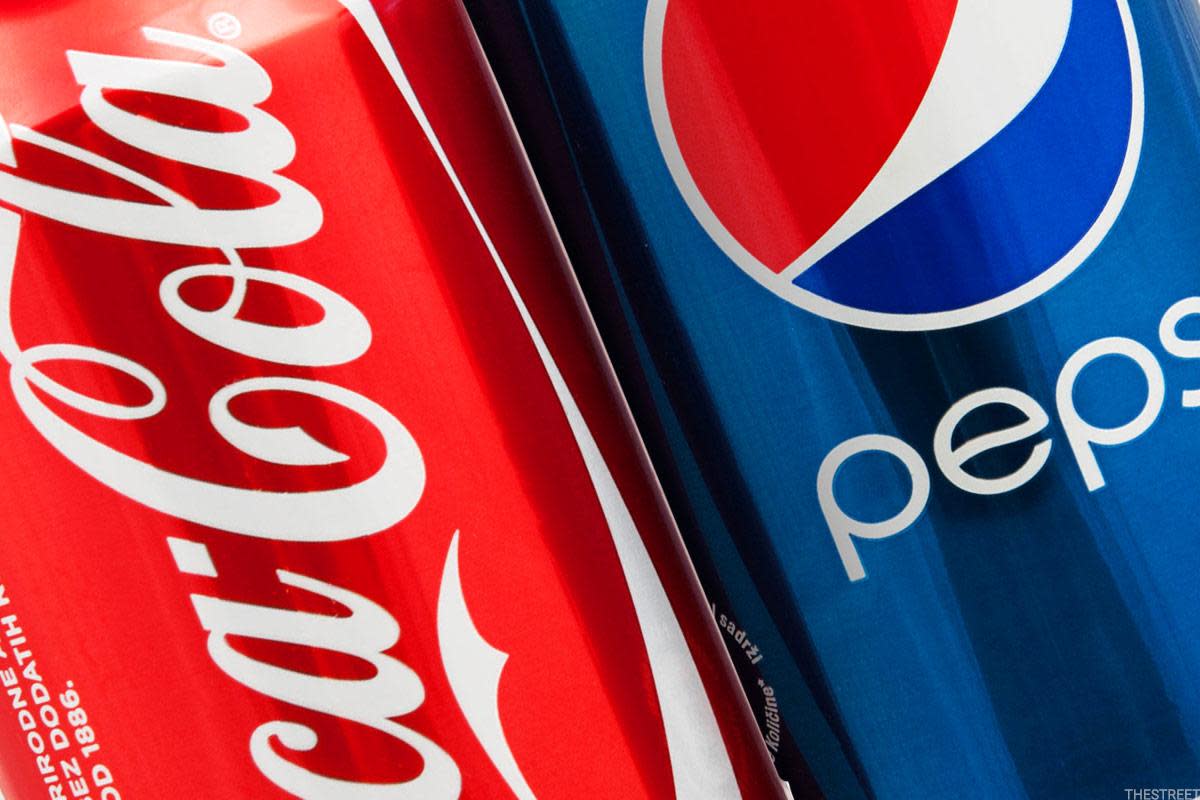
Coca-Cola and Pepsi have spent over a century battling for supremacy, and even if you do not drink soda, you have probably picked a side. Their rivalry has done more than sell fizzy drinks; it has shaped how companies market their products. But, what if the secret to success lies not in competing, but in complimenting?
Let us dive in and find out!
Traditional Rivalry: The Battle for Soda Supremacy
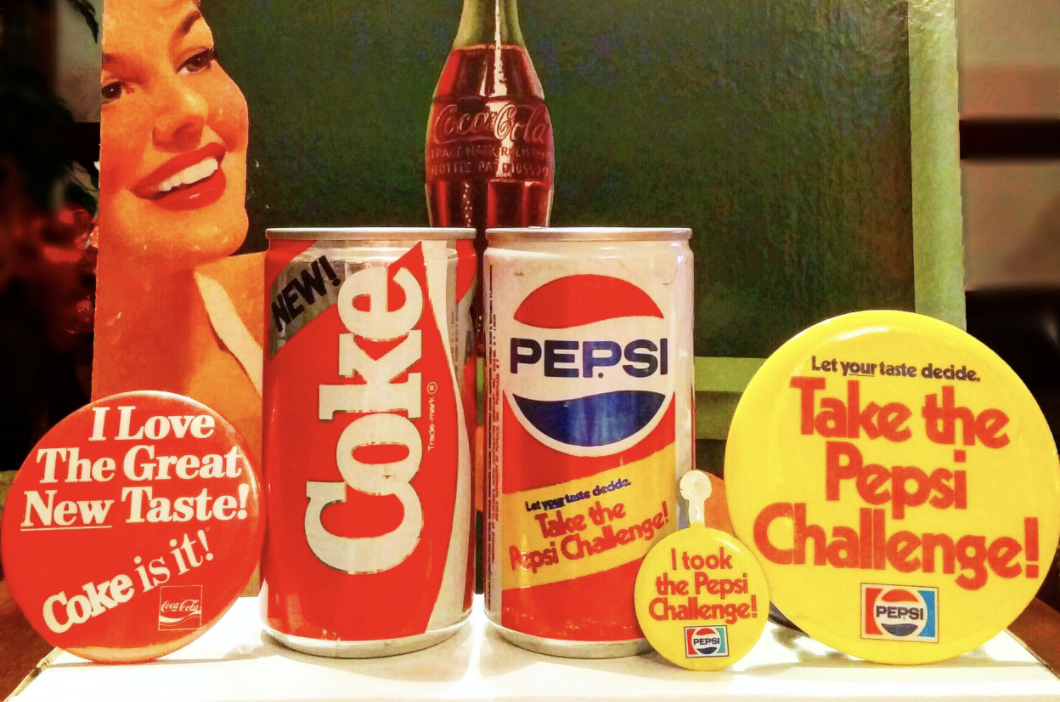
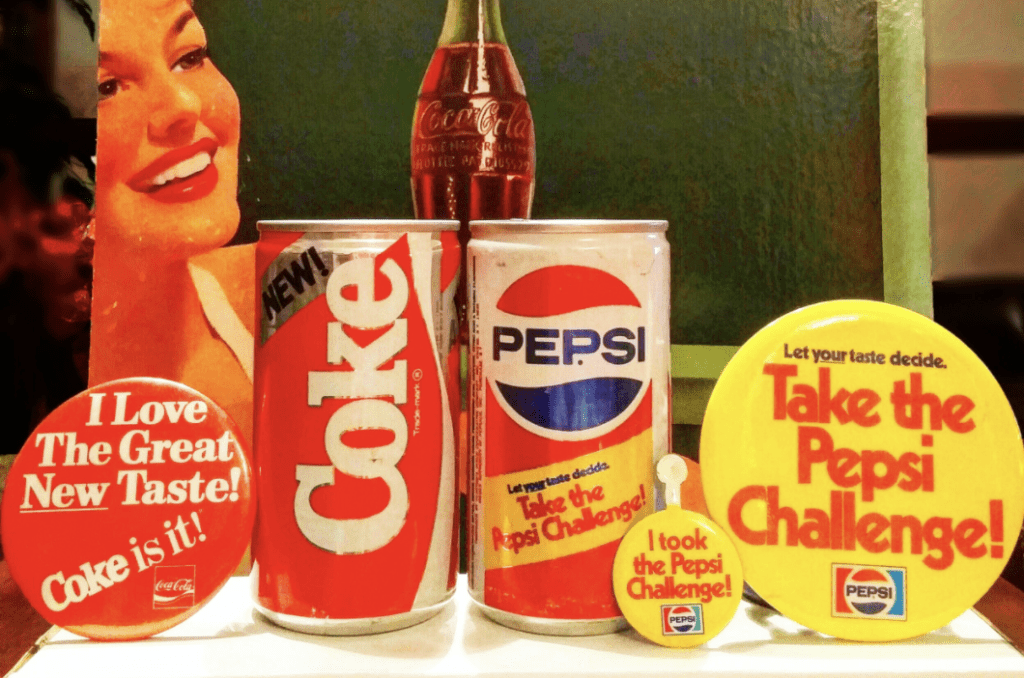
Coke and Pepsi have been locked in a game of one-upmanship for decades. Think back to the Pepsi Challenge in the 1970s, where Pepsi set up taste tests and claimed most people preferred their soda. Coke’s response? New Coke.
Spoiler: It flopped.
However, these kinds of direct attacks made the rivalry legendary.
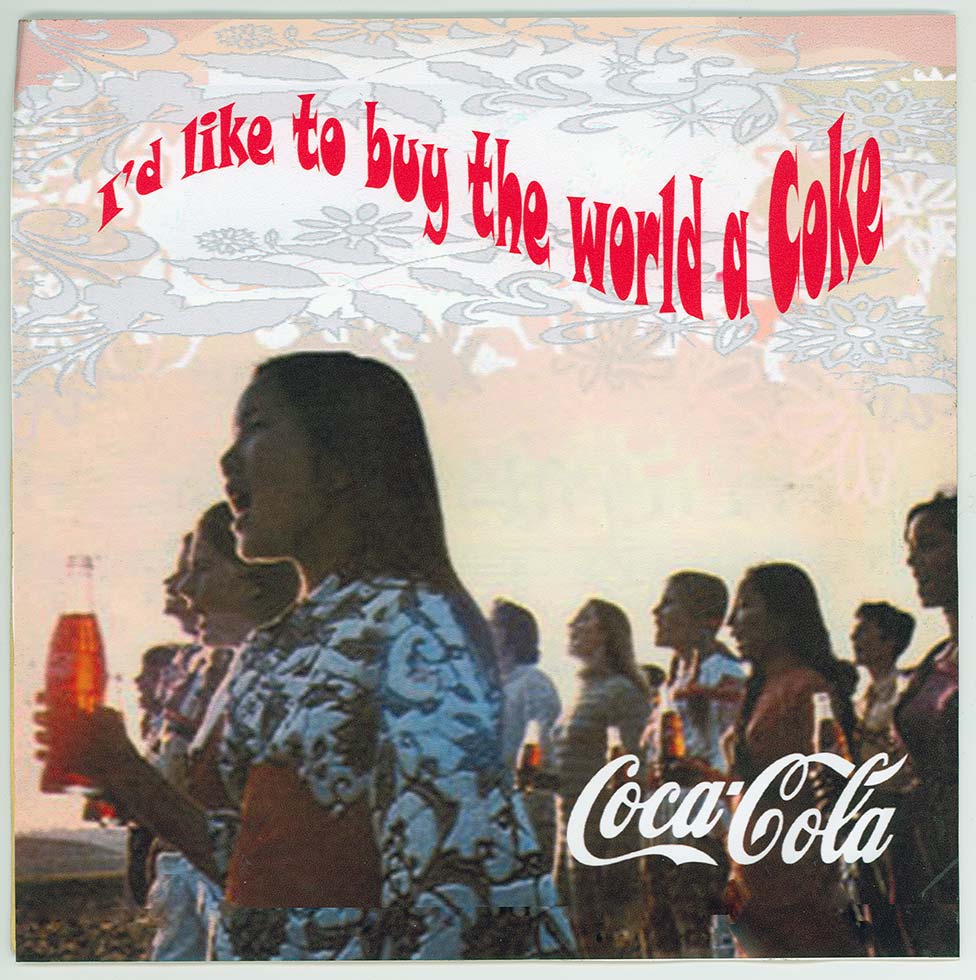
Pepsi leaned into being the challenger, aligning with youth culture and big moments like the Super Bowl halftime show. As the classic leader, Coke focused on nostalgia and Americana (remember the “I’d like to buy the world a Coke” ad?). This back-and-forth gave each brand a unique identity, forcing consumers to pick a team (Adams, 2022).
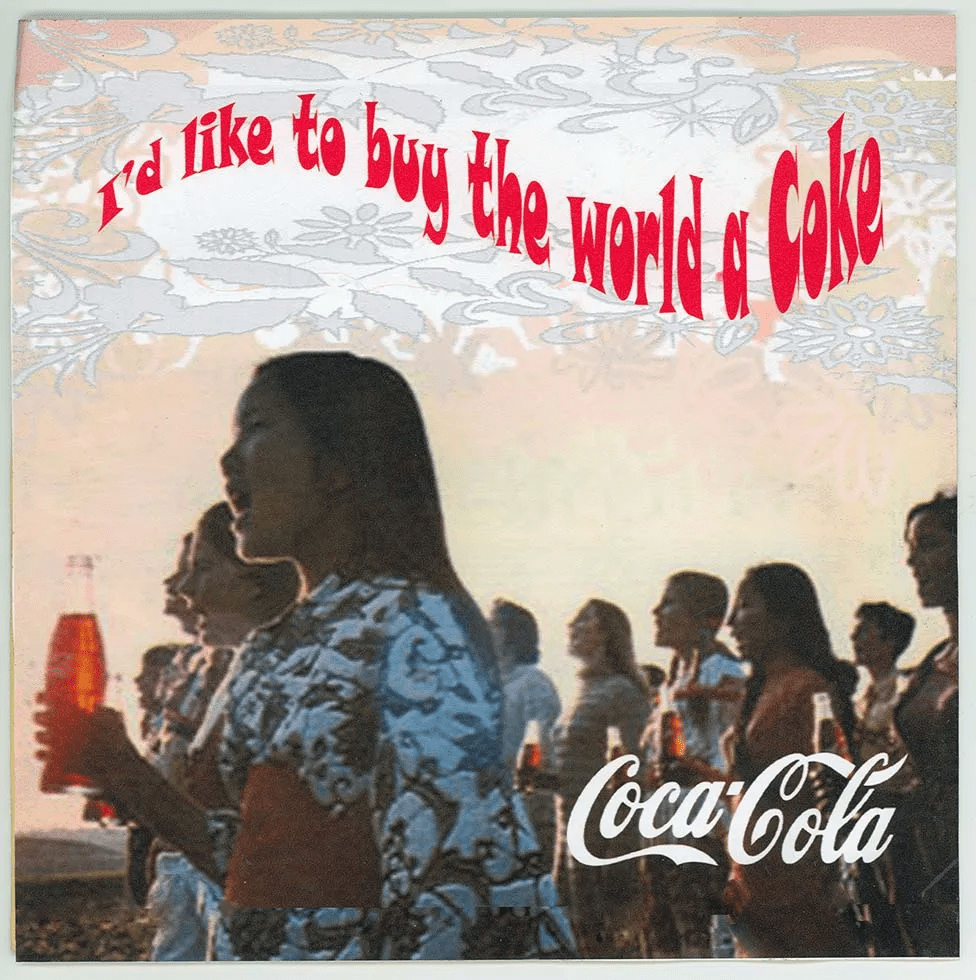
Traditional rivalry strategies are inherently competitive and appeal to consumers who enjoy the drama of corporate battles. They also reinforce brand differentiation, meaning you know exactly what each brand stands for. However, this approach risks alienating younger and socially conscious consumers who might find such tactics outdated or overly aggressive (Gatesman, 2024).
Why Try a Different Approach?
Recently, brands have realized that constant combat might not be the best look, especially in younger generations or when consumers are more socially conscious (Gatesman, 2024).
Enter: competitor praise.
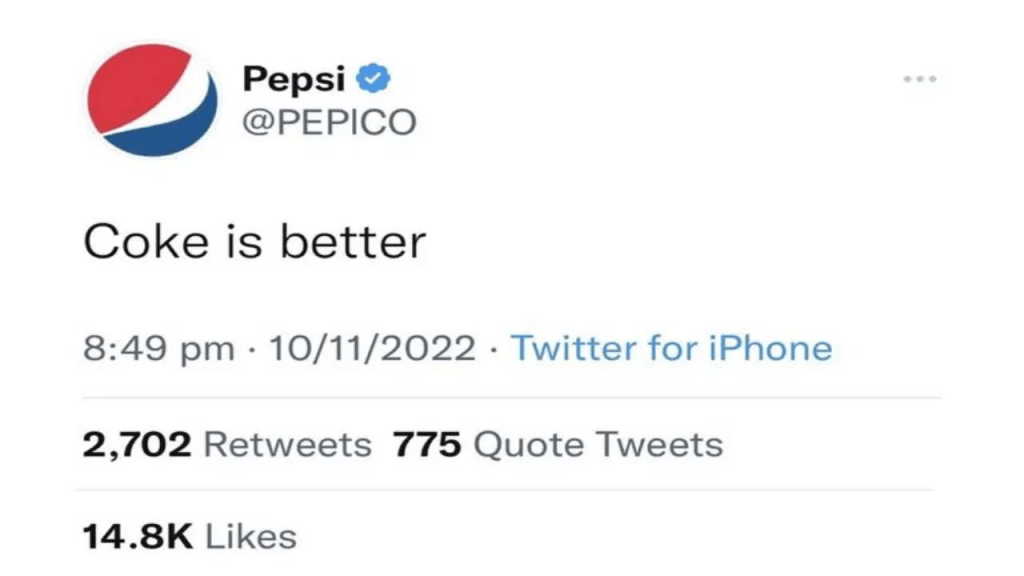
Instead of tearing each other down, brands sometimes nod to their rivals. For instance, in the past, Coca-Cola acknowledged Pepsi’s win in taste during the cola wars that challenged them to reformulate their product. To modern times, where Pepsi makes a shout out towards Coke, leaving consumers smiling (Adams, 2022; Zhou et al., 2022).
Why does this work?
It works because it taps into thin-slice theory, which is a fancy way of saying people make quick judgments based on small bits of information (Peracchio & Luna, 2006). When a brand praises a competitor, it comes across as confident and humble, traits we naturally gravitate toward. That positive vibe can boost engagement and drive sales (Zhou et al., 2022).
Moreover, this strategy appeals to younger audiences who value authenticity over corporate sniping. By acknowledging a rival’s strengths, a brand positions itself as secure and trustworthy, fostering deeper consumer loyalty (Gatesman, 2024).
When Praising the Competition Pays Off
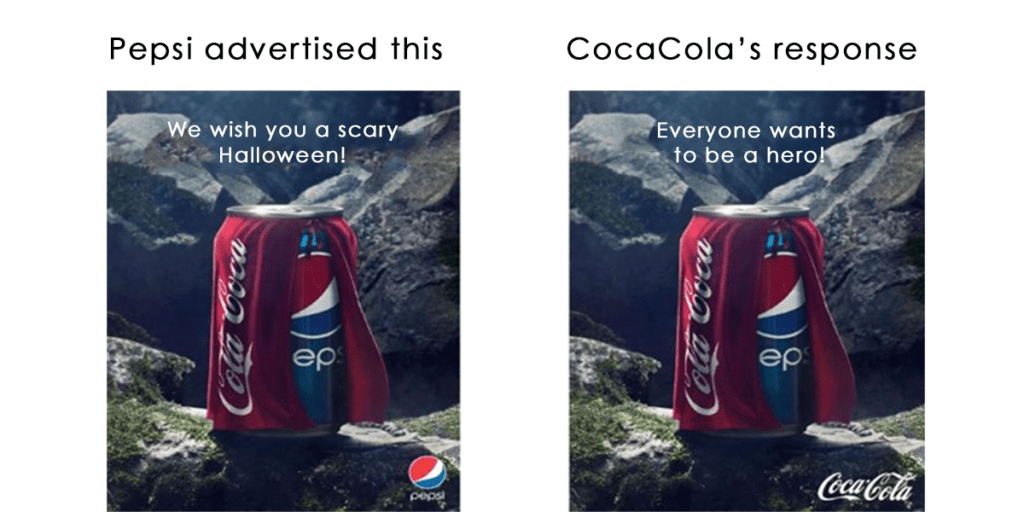
Imagine seeing an ad where Coke says, “Pepsi did a great job with that halftime show.” You would probably think, “Wow, that was so nice of them to say!” Considering they are rivals. By acknowledging a rival’s strengths, a brand can position itself as secure and trustworthy. This tactic works particularly well in low-stakes situations where the tone can remain lighthearted.
For example, when a restaurant recommends a competitor down the street for a dish they do not serve, you trust them more. Similarly, when Coke and Pepsi collaborated on sustainability initiatives like reducing plastic waste, it signaled a shared commitment to a higher cause. These moments of cooperation show that collaboration can sometimes be as powerful as competition (Adams, 2022; Zhou et al., 2022).
When It Might Backfire
Of course, praising the competition does not always mean success. A compliment might feel like waving a white flag if you are locked in a fierce battle for market share or dealing with a highly competitive industry. For example, if Pepsi had praised Coke during the New Coke fiasco, it might have been perceived as opportunistic rather than genuine. Moreover, if the praise comes off as fake or self-serving, it can backfire, making consumers roll their eyes instead of reaching for your product. Brands must strike the right balance, ensuring their compliments are timely, genuine, and relevant (Gatesman, 2024; Zhou et al., 2022).
Finding Balance: Lessons from Coke and Pepsi
Brands need to strike a balance to appeal to diverse audiences. Traditional rivalry can energize loyalists who love the competition, while moments of praise resonate more with younger generations seeking authenticity and collaboration (Gatesman, 2024). When done right, these approaches can build both trust and excitement.
Coke and Pepsi are venturing into new territory, addressing significant challenges like sustainability. By joining forces on issues like reducing plastic waste, cooperation sometimes beats competition. However, do not worry. The playful rivalry is not going anywhere. These two will keep finding creative ways to stay in our heads and carts (Adams, 2022).
The Bottom Line
Rivalries like Coke and Pepsi are iconic for a reason, but today’s consumers want more than a fight. They respond to brands confident enough to praise their competitors, savvy enough to make it feel genuine, and smart enough to know when to dial it back. Whether through old-school rivalry or unexpected camaraderie, the ultimate goal is the same: win our loyalty and maybe even our hearts.
References
Adams, P. (2022, May 3). How Coke and Pepsi’s rivalry shaped marketing — and where it goes next. Marketing Dive. https://www.marketingdive.com/news/coke-vs-pepsi-rivalry-brand-marketing-metaverse/621711/
Doane, M. (2020). Coke vs. Pepsi Challenge [Image]. In Google Images. https://writinginbound.com/content/images/2020/11/coke-vs-pepsi-challenge-1.png
Gatesman. (2024, April 26). Purchasing Behavior: Gen Z Reframed. YouTube. https://www.youtube.com/watch?v=Wlek91AUKUw
Google. (2025a). Halloween Advertisement [Image]. In Google Images.
Google. (2025b). Pepsi Tweet [Image]. In Google Images.
Peracchio, L. A., & Luna, D. (2006). The Role of Thin-Slice Judgments in Consumer Psychology. Journal of Consumer Psychology (Taylor & Francis Ltd), 16(1), 25–32. https://doi.org/10.1207/s15327663jcp1601_5
The Coca-Cola Company. (2025). I’d Like to Buy the World a Coke [Image]. In The Coca-Cola Company. https://www.coca-colacompany.com/content/dam/company/us/en/about-us/history/coca-cola-hilltop-ad.jpg
The Street. (2025). Coke vs. Pepsi What’s Really the Difference? [Image]. In Google Images. https://www.thestreet.com/.image/t_share/MTY3NTQxNTYyNDAxMTA1ODA2/pepsi-vs-coke-whats-really-the-difference.jpg
WordPress. (2025). Coke vs. Pepsi. [Image]. In AI Generator.
Zhou, L., Du, K. M., & Cutright, K. M. (2022). Befriending the Enemy: The Effects of Observing Brand-to-Brand Praise on Consumer Evaluations and Choices. Journal of Marketing, 86(4), 57–72. https://doi.org/10.1177/00222429211053002
 Megs Topic