
What exactly is market segmentation? According to Babin and Harris (2021), it is the process of dividing a market into distinct groups of consumers who have unique demand patterns. But before a company can successfully segment its market, it first needs to understand the products or services it offers and the value it brings to consumers. Without a clear value proposition, companies can’t effectively connect with their target audience (Babin & Harris, 2021).
Now that we have a clearer understanding of market segmentation, let’s examine how it works in the real world.
Not long ago, I decided to try a ready-to-eat meal service from Factor. When I came across an ad for Factor on social media and clicked through to their website, I immediately recognized the value they were offering. Their meal plans, approved by dieticians, and the convenience of ready-to-heat meals really appealed to me.
And just like that, I saw market segmentation in action! Factor crafted a service and marketing strategy specifically aimed at people like me who seek healthy, low-effort meal options. This made me think about how well Factor understands its market segments and tailors its approach to meet the needs of various consumer groups. Here is what I found!
Market Segments Identified
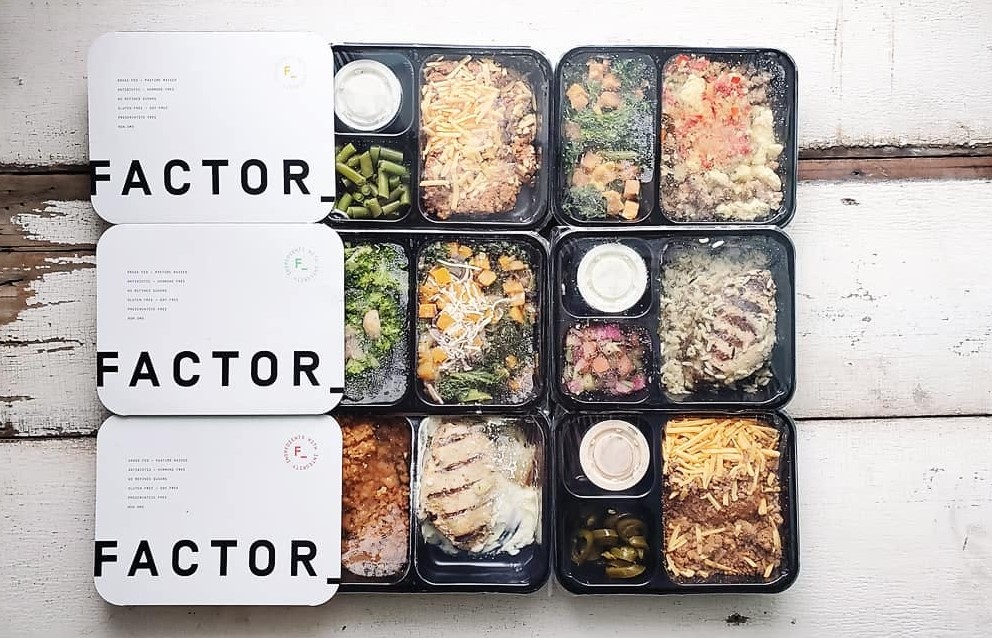
Factor (2025) targets several key market segments.
- Health-Conscious Consumers: Factor caters to individuals focused on health, offering meal plans.
- Busy Professionals: Factor appeals to professionals who lack the time to cook and offers catering services for business meetings by delivering healthy, ready-to-eat meals.
- Fitness Enthusiasts: Its meals are easy to find nutritional information on, making it ideal for those who journal their food to meet fitness goals.
- Individuals with Dietary Restrictions: Factor provides options for people with dietary restrictions, including gluten-free, dairy-free, and vegan meals.
Now that we have identified these market segments, let us examine some strategies used to reach them.
Segmentation Strategies
According to Ladd (2020), market segmentation strategies involve dividing a broad market into smaller, more manageable groups of customers with similar traits. These traits can include geographic, demographic, and psychographic factors, behaviors, usage rates, and benefits sought. Segmenting the market enables companies to tailor their marketing efforts to address the specific needs of each group.
Looking at the breakdown:
- Demographic Segmentation: Factor can segment its audience based on age, income, and family size. For example, young professionals might prioritize convenience, while families might seek a wider variety of meal options to cater to different tastes.
- Behavioral Segmentation: Factor can also segment customers based on their purchasing behavior, such as frequency of orders and meal preferences. Regular customers may be offered loyalty rewards, while new customers might receive personalized promotions.
- Psychographic Segmentation: This is where value comes into play. Factor focuses on customers who value health and wellness. The company emphasizes the nutritional benefits of each meal, positioning itself as a solution for people seeking a balanced lifestyle without the hassle of meal preparation (Factor, 2025).
- Geographic Segmentation: Factor can use this segment to narrow down and focus its efforts on more health-conscious regions, such as urban vs. suburban vs. rural.
Considering these segmentation strategies, companies should remember several essential principles when implementing segmentation efforts to ensure success.
Key Points to Remember When Implementing Segmentation Strategies
- Focus on High-Value Customers: Applying the 80/20 rule reveals that 20% of consumers often generate the majority of revenue. Targeting this consumer segment can lead to better results (Ladd, 2020).
- Use Data for Personalization: Collecting and using customer data to personalize experiences ensures that businesses meet customers’ unique needs (Ladd, 2020).
- Maintain Consistent Quality: Offering high-quality products or services helps build trust and customer loyalty (Babin & Harris, 2021).
- Be Flexible and Adapt: To stay relevant, regularly review and adjust strategies based on data and customer feedback (Babin & Harris, 2021).
As the market for eco-conscious products continues to grow, it presents a new opportunity for companies like Factor to expand their reach. One such emerging segment is the sustainable shopper.
A New Market Segment: The Sustainable Shopper
In my recent online shopping experiences, I have noticed an increasing demand for environmentally conscious and sustainable brands. Consumers are becoming more focused on eco-friendly and ethical products, a trend that shows no signs of slowing down. Many customers now seek companies that align with their values, particularly concerning sustainability and reducing food waste (Gharib, 2024).
Creating a Segmentation Strategy for the Sustainable Shopper

Factor is already making strides with implementing recyclable materials into their shipping. However, to tap further into this growing market segment, Factor could develop a strategy with the following steps:
- Promote Eco-Friendly Sourcing: Consumers who prioritize sustainability would be attracted to Factor’s sourcing practices. The company could highlight using locally sourced, organic, and ethically grown ingredients in its marketing materials.
- Form Partnerships with Sustainable Brands: Collaborating with eco-friendly brands or organizations would help Factor build credibility within the sustainable shopper segment.
As sustainability becomes a higher priority for consumers, Factor can build on its existing segmentation strategies by embracing eco-friendly practices. This shift could not only align the brand with consumer values but also position Factor as a leader in the emerging market for sustainable meal services.
Conclusion
Factor was my example of how a company can implement effective market segmentation strategies to meet diverse customer needs. By focusing on demographic, behavioral, psychographic, and geographic segments, Factor can ensure that its meal plans resonate with the right audiences, myself included. Looking ahead, Factor has the opportunity to expand the growing eco-conscious consumer segment. By adopting sustainable practices such as eco-friendly packaging and sourcing, Factor can attract environmentally minded shoppers and further enhance its brand.
References
Babin, B. J., & Harris, E. (2021). CB (9th ed.). Cengage Learning US. https://mbsdirect.vitalsource.com/books/9798214339405
Dreamstime. (2025). Market Segmentation [Image]. In Dreamstime.com
Factor. (2025, January 5). Factor. https://www.factor75.com/
Gharib, P. (2024, February 4). Meal kit market: Size, delivery services, and opportunities. ProfileTree Web Design and Digital Marketing. https://profiletree.com/meal-kit-market-size-delivery/
Kessel, S. (2024a). Factor Meals [Image]. In summerthedietitian.substack.com.
Ladd, D. (2020, August 20). Marketing: Customer segmentation. Maximize your marketing efforts through segmentation. LinkedIn Learning. https://www.linkedin.com/learning/marketing-customer-segmentation/maximize-your-marketing-efforts-through-segmentation?u=2106393
Pinterest. (2024). Sustainable Shopper [Image]. In Pinterest.com








 Megs Topic