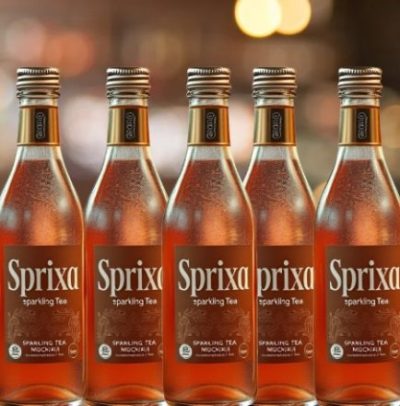
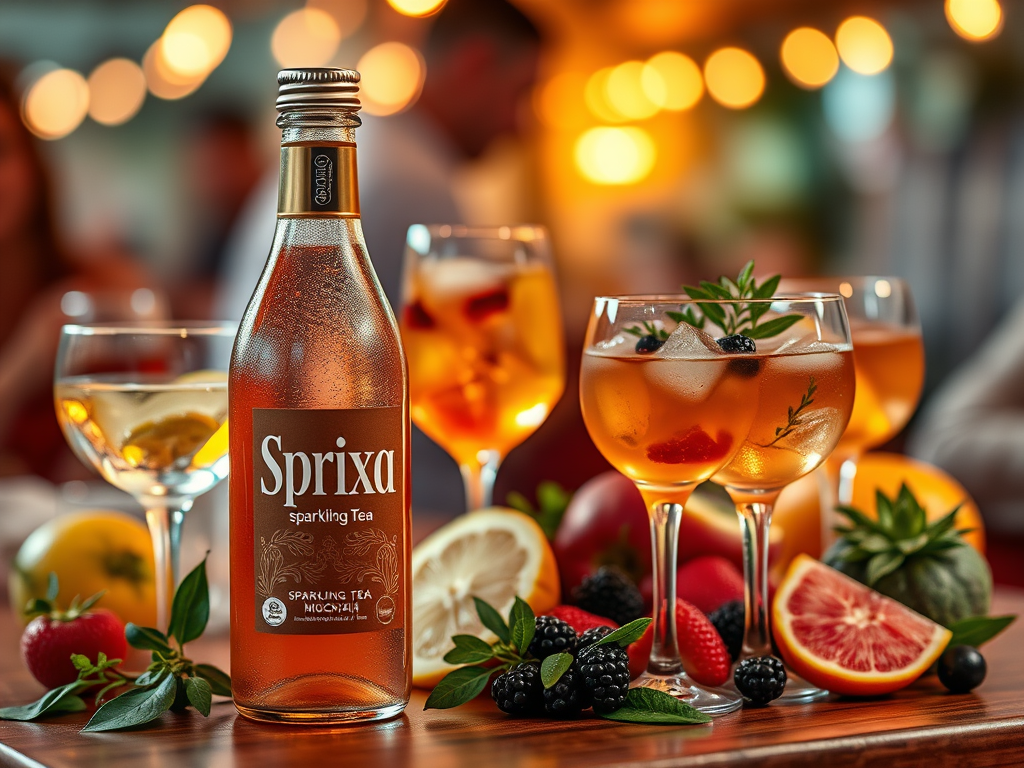
As part of my strategic exploration for a potential new product launch under PepsiCo, I developed the concept of Sprixa: A sparkling Tea Mocktail, which is a functional, ready-to-drink (RTD) tea that blends wellness, sustainability, and modern lifestyle appeal. The idea came from observing shifting consumer behaviors and growing demand for beverages that offer more than just refreshment. To ensure Sprixa could viably fit into PepsiCo’s offerings and resonate with today’s market, I conducted thorough marketing research.
Market Research and PepsiCo’s Strategic Alignment
Sprixa was designed with PepsiCo’s mission in mind, “Winning with Purpose”, which prioritizes sustainable growth and innovation in response to evolving consumer needs (PepsiCo, 2024). Through market research, it became clear that PepsiCo has already been expanding its portfolio with healthier alternatives, such as LIFEWTR and Pure Leaf, to keep pace with rising wellness trends. Sprixa would complement this with its functional benefits (think: hydration, antioxidants, and stress relief) and eco-friendly packaging, as a natural evolution of PepsiCo.
To validate the concept, I explored both primary and secondary research. While my primary research plan involves future surveys and focus groups for granular insight, my secondary sources (from Mintel, IBISWorld, and industry reports) helped paint a solid picture of today’s consumer landscape. Findings show that both Millennials and Gen Z are actively seeking functional, low-sugar alternatives to sodas and alcoholic beverages (Mintel, 2024; Riebe, 2024). They value clean labels, ethical sourcing, and sustainable packaging, all of which Sprixa would embody.
Industry Trends and Future Implications
The non-alcoholic and functional beverage industry is not just growing; it’s booming. The RTD tea segment alone is expected to exceed $75 billion by the end of 2025, with a CAGR of 1.6% through 2029 (Irigoyen, 2025; Rose, 2024). This upward trend signals a strong opportunity for Sprixa, especially as consumers lean toward beverages that align with both wellness goals and conscious consumption.
However, trends can pivot. One plausible shift could be the increased personalization of wellness beverages, powered by data and tech (Riebe, 2024). Should Sprixa expand in the future, it might need to offer customized or functional variants based on consumer moods or health needs. Another factor to consider is economic uncertainty, which could temporarily deprioritize eco-conscious buying in favor of lower-cost options. These potential changes emphasize the importance of flexibility in marketing and innovation strategies.
Legal, Ethical, and Industry Alignment
The marketing strategy for Sprixa would be developed with transparency and responsibility in mind. All health-related claims will be based on credible research and clearly communicated, in accordance with FTC regulations (Federal Trade Commission, 2013). Ethically, Sprixa would stand firm on fair-trade ingredients, recyclable glass packaging, and equitable branding. This not only supports PepsiCo’s corporate values but also responds directly to consumer expectations around sustainability and inclusivity (Gunter, 2025).
The campaign strategy further ensures Sprixa is portrayed not as a miracle cure, but as a feel-good, better-for-you beverage that enhances daily wellness, a message that stays within industry standards and ethical boundaries.
Strategic Limitations and Data Gaps
While my research has provided valuable direction, there are notable limitations. First, because Sprixa is a concept product, real-world consumer testing hasn’t yet occurred. The lack of primary, brand-specific data such as direct feedback from target demographics limits the precision of my recommendations. Relying on secondary data, though insightful, means I can’t fully predict consumer reactions to unique flavor profiles, pricing strategies, or packaging elements.
Another limitation is the broad generalization of generational behaviors. Not all Millennials or Gen Z consumers behave uniformly, and cultural, regional, or lifestyle differences may significantly impact product adoption. For example, while urban consumers may embrace Sprixa’s sustainability, others may prioritize affordability over packaging ethics.
Lastly, because the beverage industry is rapidly evolving, today’s data may not capture the full scope of tomorrow’s competitive threats or innovation opportunities. This reinforces the need for ongoing research, testing, and market listening if Sprixa were to launch.
Final Thoughts
The development of Sprixa has been an exciting and insightful journey. The research confirms that there is a vibrant and growing space for functional, sustainable beverages within PepsiCo’s portfolio. The brand aligns seamlessly with corporate values, industry momentum, and consumer expectations. At the same time, remaining mindful of emerging trends, evolving consumer behavior, and current research limitations will be essential to ensuring Sprixa’s successful positioning and longevity.
With the right strategy, Sprixa can be more than a new product. It can be a fresh expression of PepsiCo’s mission to meet the needs of tomorrow’s consumers ethically, innovatively, and sustainably.
References
Federal Trade Commission. (2013, December 12). Fair Packaging and Labeling Act: Regulations Under Section 4 of the Fair Packaging and Labeling Act. Federal Trade Commission. https://www.ftc.gov/legal-library/browse/rules/fair-packaging-labeling-act-regulations-under-section-4-fair-packaging-labeling-act
Gunter, M. (2025, March 6). PepsiCo’s Future of Functional Beverages. Megs Topic. https://megstopic.com/2025/03/06/pepsicos-future-of-functional-beverages/
Irigoyen, F. (2025, February). Tea Production in the US. Ibisworld.com. https://my.ibisworld.com/us/en/industry/31192b/performance
Mintel. (2024, June 30). Functional Drinks – US – 2024. Mintel. https://clients-mintel-com.eu1.proxy.openathens.net/report/functional-drinks-us-2024?fromSearch=%3Ffreetext%3Dherbal%2520drinks%26resultPosition%3D12
PepsiCo. (2024). About PepsiCo. PepsiCo; PepsiCo. https://www.pepsico.com/who-we-are/about-pepsico
Riebe, S. (2024, December 31). Alcohol Alternatives – US – 2024. Mintel. https://clients-mintel-com.eu1.proxy.openathens.net/report/alcohol-alternatives-us-2024?fromSearch=%3Ffilters.category%3D29%26last_filter%3Dcategory%26resultPosition%3D2
Rose, A. (2024, March). RTD Tea Production in the US. Ibisworld.com. https://my.ibisworld.com/us/en/industry-specialized/OD4297/about

 Megs Topic